Indiana Exterior Painting Guide: Weather, Windows, and Humidity Constraints
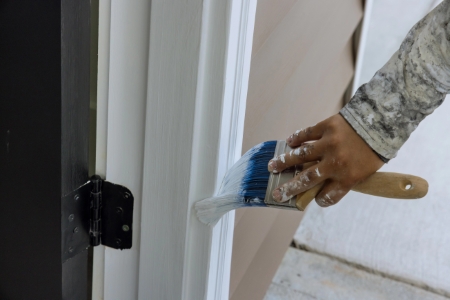
If you are planning exterior work in Indianapolis, timing and moisture control decide whether paint bonds tight or peels early. This guide explains the weather math our crews follow for durable results and why Indiana’s swings in temperature and humidity require a different plan. For homeowners comparing options, you can see how our team approaches prep, sequencing, and verification on our exterior painting service page.
Why Central Indiana Weather Demands A Different Plan
Indianapolis sits in a meeting zone for Gulf moisture and cooler northern air. That mix creates quick shifts, heavy morning dew, and pop-up showers that can trap moisture in wood and fiber-cement. Spring and fall deliver comfortable highs but cooler nights, which slow down water-based paints. Summer brings warm temperatures but higher humidity, so coatings skin over while deeper layers struggle to cure. The result is a narrow daily window where temperature, humidity, and surface conditions line up.
Exterior Painting Indiana: The Weather Math That Protects Your Home
Most premium exterior acrylics perform best when air and surface temperatures hold between 50 and 90°F and the overnight low stays above 45 to 50°F. Relative humidity in the 40 to 70 percent range promotes steady evaporation without trapping moisture beneath the film. When humidity climbs past about 80 percent, dry times stretch and adhesion risks rise. Our foremen also watch the dew point. We want the surface temperature at least 5°F above the dew point before coating begins and through the first key hours of cure.
Never coat if rain is likely in the first 4 to 6 hours, or if the forecast shows the surface temperature dropping to the dew point before midnight. Wind between 3 and 10 mph helps carry moisture away from the film, while direct sun on dark colors can flash-dry the surface too fast. Sequencing and shade matter as much as the product you choose.
The Right Temperature Window By Season In Indianapolis
Early spring can tease you with a 65°F afternoon and a 38°F night. That cool night pushes moisture back onto siding and slows curing. Late April through early June typically offers the first reliable stretch, but start times often wait until dew burns off mid-morning. July and August bring heat along with high humidity. We shift to shade-first planning and monitor wall temps with an infrared thermometer to avoid hot, sunlit surfaces where paint can dry too quickly on top. Mid-September through mid-October is often prime for exteriors. Afternoon highs are comfortable, and UV is lower, but nights cool fast. We move faster in the middle of the day to keep cure on schedule.
Humidity, Dew Point, And Drying: What Our Crew Measures
Indiana house painters know humidity is the silent spoiler. Moisture hides in end grain, laps, and horizontal details. We treat “dry to the touch” as a starting point, not a green light. Crews read ambient humidity and dew point, then confirm surface temperature with an infrared thermometer. On wood, we use a pin moisture meter and aim for readings under 15 percent before prime and paint. Fiber-cement does not hold moisture like wood, yet surface wetting from rain or dew still needs a true dry window before coating.
- Keep the surface at least 5°F above the dew point during application and early cure.
- Target wood moisture content under 15 percent before priming or topcoating.
- Plan for a 4 to 6 hour rain-free window after each coat, or longer if humidity is high.
- Stagger walls so shaded elevations are coated first, sunlit walls later in the day.
Local insight: In Indianapolis, heavy dew can return by early evening from May through October. Starting too late risks moisture settling on fresh film. A mid-morning to mid-afternoon window often gives the safest cure time.
Wood And Fiber-Cement Siding: Surface-Ready Or Not?
Wood swells and shrinks with moisture. If you trap water under the coating, vapor pressure will push outward and create blisters or early peeling. Fiber-cement is more dimensionally stable but still needs a clean, dry, dull, and sound surface for top adhesion. Our crews look beyond color and gloss. We inspect knots, checks, end grain, and horizontal ledges where water sits longest. For fiber-cement, we remove chalk and dust that can act like tiny ball bearings under the film.
Two red flags: visible condensation on the back of a hand placed on the wall and a tape pull that lifts old paint or primer after light prep. Either sign means the surface is not ready and the schedule needs to adjust.
Field-Tested Readiness Checks We Use Every Day
The right tools confirm what the forecast cannot. Here are the common diagnostic checks we run across neighborhoods like Broad Ripple, Meridian-Kessler, and Irvington, where tree cover and shade extend morning moisture:
- Wood moisture meter reads under 15 percent on siding and trim, particularly near window sills and lower courses.
- Infrared thermometer confirms wall temperature is trending upward and 5°F or more above the dew point.
- Gentle blue-tape pull on a scuff-sanded area verifies the existing coating is bonded and the surface is clean enough for primer.
- Hand rub test for chalking on fiber-cement. If residue stays heavy on the palm, more washing or a bonding primer is scheduled.
Our crews document these checks because they predict coating life more reliably than brand names alone. When the numbers line up, finish systems perform closer to their potential.
Rain, Dew, And Shade: Planning The Day’s Sequence
On humid Indiana days, the safest plan paints shaded walls first. South and west elevations warm quickly and can be finished later when their surface temperatures settle. Lower courses and horizontal trim need extra time after rain. We leave a full drying window on window sills, belly bands, and rail caps before coating because these zones hold water longer. Sequencing also avoids fresh work under sprinklers, downspout discharge, or lawn watering times in suburbs like Fishers, Carmel, and Zionsville.
Windows, Trim, And Caulk: Cure Before Color
Caulk is not paint-ready the instant it skins. High humidity slows cure and can cause slight shrinkage that shows up as hairline gaps if topcoated too soon. We schedule caulk work ahead of color coats and confirm a firm cure with a light tool press. On older homes near Butler-Tarkington or Garfield Park, sash and sill repairs may expose end grain that needs sealing and extra prime time. A patient schedule beats a rushed finish every time.
Dry-Time Targets That Avoid Premature Peeling
Manufacturers list dry-to-touch and recoat times, but those numbers assume mild temperatures and moderate humidity. Our internal targets widen the gap on sticky days. We allow more time after washing and never chase a tight same-day wash and paint plan when humidity is high. If a wall still feels cool and damp relative to air temperature late in the morning, it likely needs midday sun and airflow before primer or paint. If in doubt, we wait and recheck instead of risking trapped moisture.
Color And Sheen Choices That Tolerate Indiana Swings
Darker colors heat up faster in sun and cool off faster at night, which stresses the film. Satin and low-sheen finishes can help hide minor lap marks if you need to chase a shade band during the day. On wood with patch repairs, a bonding primer helps bridge porosity shifts so the topcoat flashes evenly. Smart system choices often add more years than a single extra coat.
Neighborhood And Microclimate Notes Around Indianapolis
Tree-lined streets in Meridian-Kessler keep siding cooler and wetter longer each morning, so start times shift later. Open exposures near Geist Reservoir pick up more wind, which helps drying but can push overspray. In Broad Ripple bungalows with tight trim, dew hangs under eaves long past sunrise. Our scheduling flexes by block and orientation, not just by zip code. That is how we protect adhesion across the metro area.
How We Communicate Schedule And Weather Windows
Homeowners want clear updates, not weather jargon. Our project leads send simple daily notes that explain why a start moves from 8:30 to 10:00, or why a second coat slides to the next afternoon. When a storm line rides the I-65 corridor, we may coat only the elevations with a clear 6-hour buffer. This clarity keeps expectations aligned and protects your home’s finish.
What Determines Coating Life On Indianapolis Homes
Longevity comes from four forces working together: stable wood moisture, a clean and sound surface, a compatible primer-topcoat system, and enough dry time between coats. Exposure matters too. South and west walls near open areas age faster. If a surface faces constant sprinkler mist or overflowing gutters, even great paint will suffer. We address those risks in the plan so color looks fresh longer.
How Waugh Painting Builds A Reliable Exterior Plan
Our Indianapolis teams use checklists built around humidity, temperature, and substrate moisture, then we sequence walls to hit the safest window each day. You can learn more about our approach on the exterior painting service page. We also publish maintenance insights and seasonal prep guidance on our concrete coatings tips archive, which covers how moisture and cure times interact with film performance across different materials.
When Is The “Best Temperature To Paint House Exterior” In Indiana?
For most homes around Indianapolis, the most reliable conditions fall when daytime highs land between 60 and 80°F, nights stay above 50°F, and humidity holds under 70 percent for several hours after each coat. That pattern shows up many days in late spring and early fall, and on steady summer days after storms sweep humidity down. Indiana’s weather changes fast, so the best day is the one where temperature, humidity, wind, and dew point line up together, not just the forecasted high.
If you are comparing providers, look for a plan that lists moisture meter targets, dew point spacing, and specific recoat windows. That is how experienced teams separate nice weather from a true coating window. For a quick overview of our capabilities and service area, start at exterior painting indiana and explore what fits your home.
Pro-Level Wood Siding Painting Practices That Prevent Peeling
We keep homeowner guidance simple while our crew handles the technical steps. On wood siding, that means sealing end grain, spot-priming bare patches, and confirming moisture content is stable before topcoat. On trim with previous failures, we test edges and fastener heads for movement and confirm caulk cure before color. These are the small details that stop future lift at joints and laps.
Ready For A Weather-Smart Exterior Refresh?
Indiana’s climate rewards planning and patience. If you want a finish that looks great and stays put, choose a team that measures, verifies, and sequences to your home’s exposures. Call Waugh Painting at 317-999-5372 to schedule a visit in Indianapolis or nearby suburbs. Our estimator will map your walls, set moisture and dew point targets, and build a clear timeline so your home is coated in the safest window. When you are ready to move forward, explore our process and options on the detailed home exterior painting page and tell us what you want your curb appeal to look like this season.
REQUEST A FREE ESTIMATE FOR YOUR NEXT INTERIOR OR EXTERIOR PAINTING PROJECT IN GREENWOOD & SOUTHERN INDIANAPOLIS